Revenue Operations Teams
100% free & online
Get unlimited access
RevOps workflows, from CRM data quality to account scoring
A sequenced reading path for RevOps and GTM ops teams who own the CRM. Ten articles, from why fields decay through what refilling them costs, to scoring the whole table.
Step 1: Fundamentals
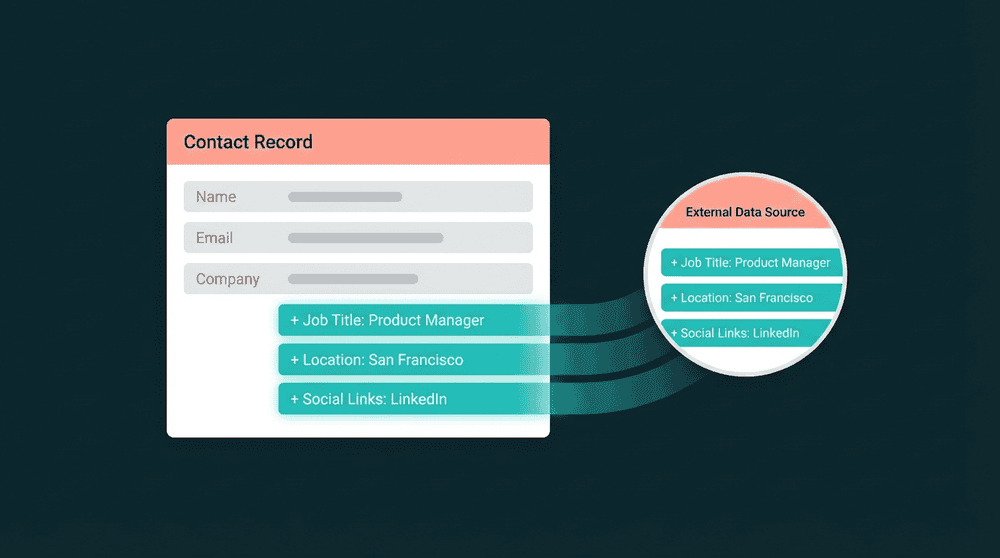
What data enrichment is and where the values in your CRM actually come from
Every workflow downstream of the CRM inherits whatever enrichment put in the field. Know the two source types before you defend a routing rule or a forecast built on top of them.
How fast CRM records go stale and what that decay costs you
You get blamed for the bounce rate and the misrouted leads. This puts a number on how quickly contact data rots, and shows which billing and support activity flags a dead record first.
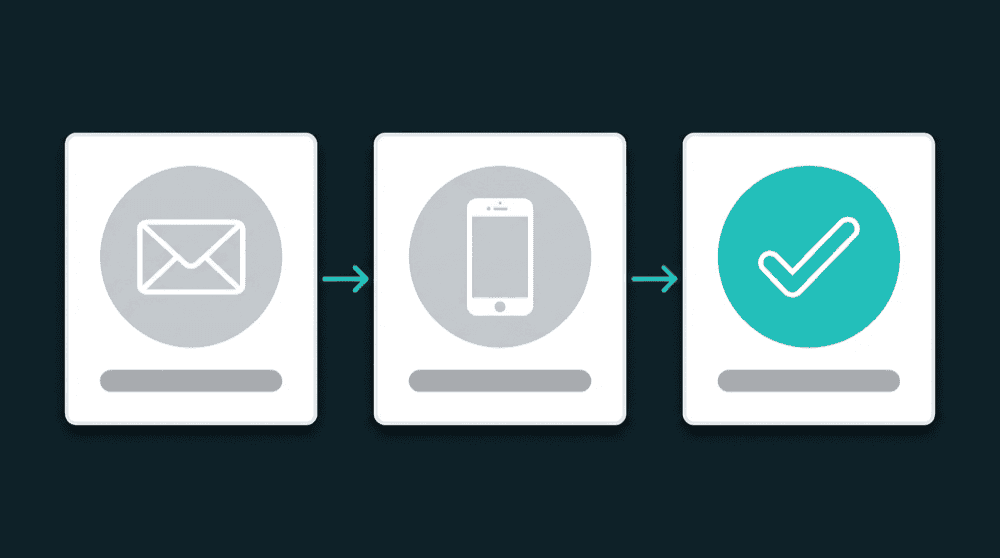
How a waterfall tries providers in order until one of them answers
This is the mechanism that refills what decay empties. Read it before you renew a single-vendor contract, because coverage compounds across providers instead of capping at one database.
Step 2: Building Skills
Running a bulk enrichment pass over an exported CRM segment
The fastest way to size the problem in your own instance. Export a segment, enrich it, count the fields that came back empty. That number is your CRM data quality baseline.
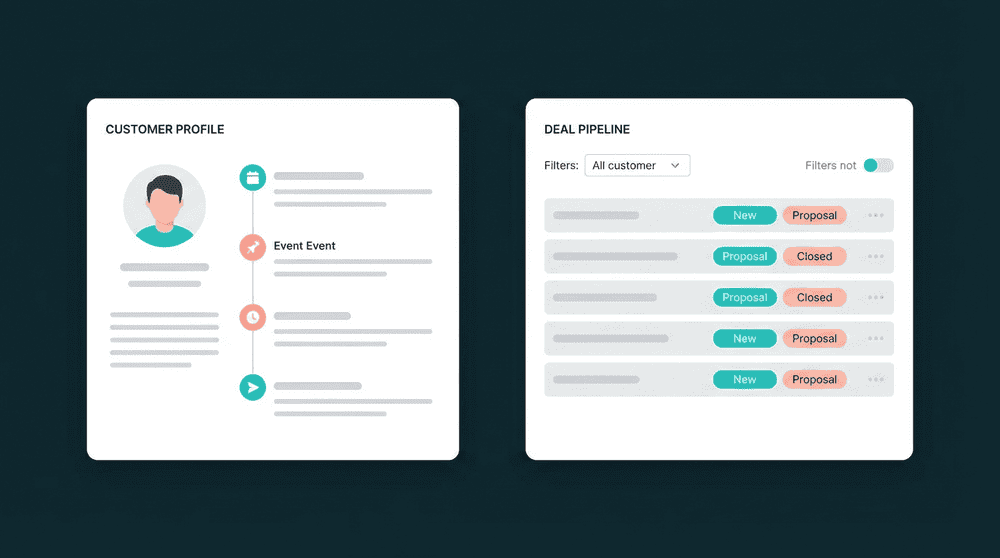
What data enrichment costs per 1,000 rows, line by line
Six data contracts means six places spend hides. This breaks down the pricing models in the category and where each one buries overage, so the budget line survives its next review.
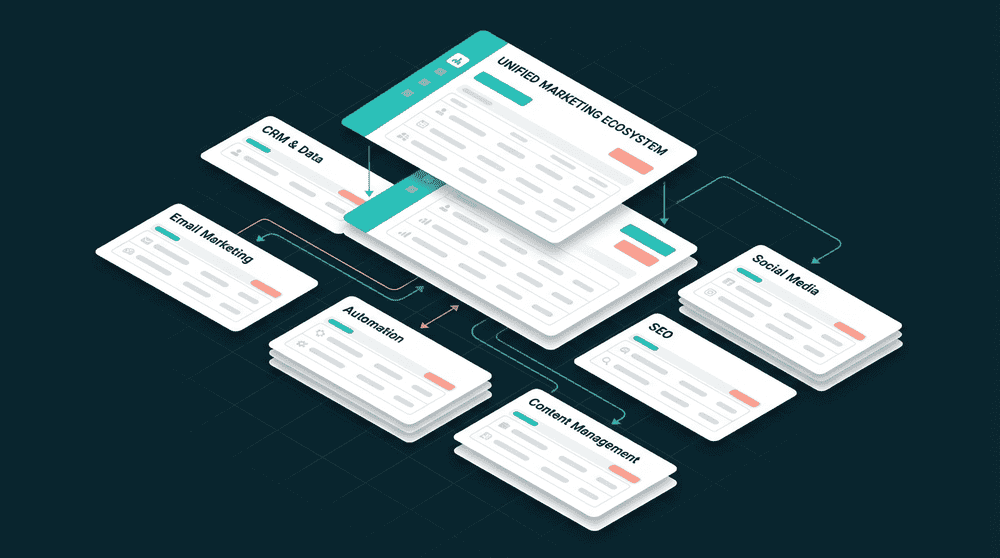
Comparing enrichment tool categories before you shortlist vendors
You run the evaluation. Compare categories first, then ask what no vendor roundup asks: can it read your own Stripe, Zendesk and product data, or does it only sell you third-party records?
Step 3: Advanced Strategy
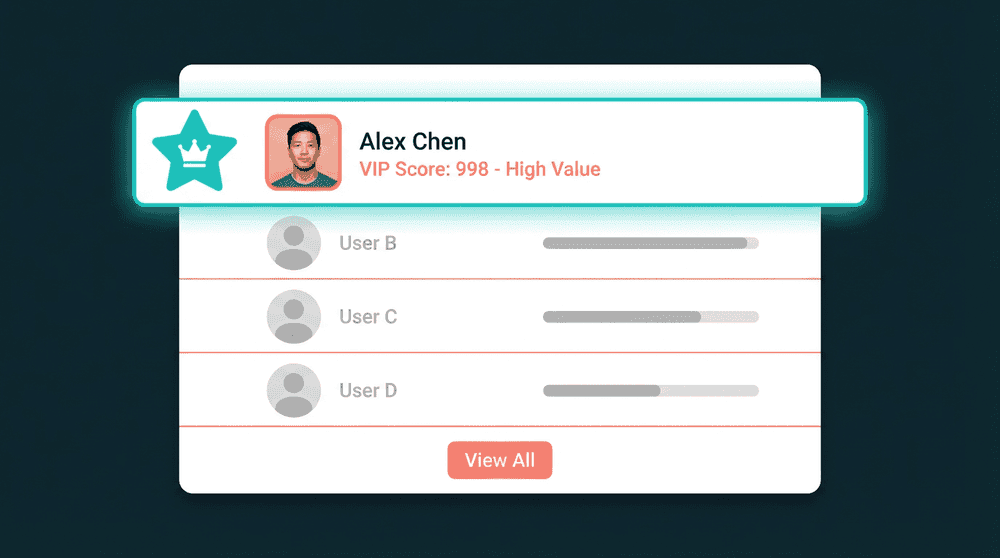
Building a lead scoring model the sales team will actually trust
Most models fail because the inputs live in systems that never reach the CRM. Fix the inputs first. Then write the reason next to the number, so a rep can argue with the score instead of ignoring it.
Which buying signals to route on, including the ones you already own
Funding and hiring signals get sold to everyone chasing your accounts. Your product, billing and support systems record signals nobody else can see. Stack both before you touch routing rules.
Turning product, support and billing data into a customer health score
Retention reporting lands on your desk too. This covers reading support tickets into a sentiment trend with AI, then writing churn risk and expansion signals back onto the account record.
Scoring and ranking a whole account table with AI, not one row at a time
Per-row research agents scale lookups but cannot compare accounts against each other. Table-level reasoning ranks the full list against your ICP and explains each placement, which is what a QBR wants.